Day: May 6, 2025
Memory Formation Techniques: Harvard’s Breakthrough Insight
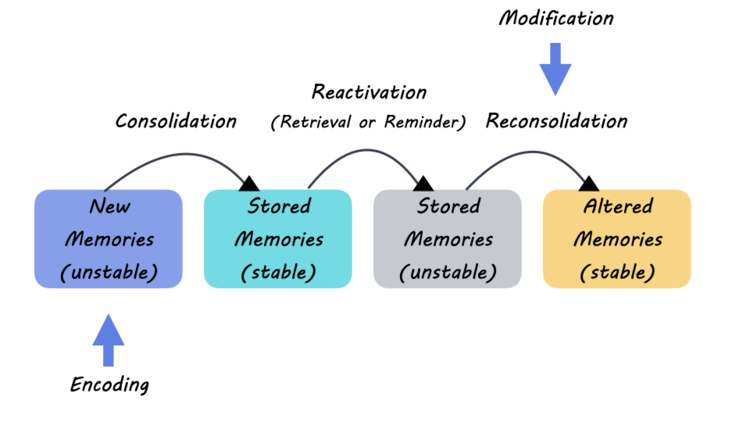
Memory formation techniques are essential tools that enhance our understanding of how memories are created and retained within the brain.Recent innovations in this field, such as the groundbreaking EPSILON method developed by Harvard researchers, have opened new avenues for exploring the molecular underpinnings of learning and memory.

Microglial Cells: Key to Understanding Alzheimer’s Disease
Microglial cells are critical components of the brain’s immune system, acting as sentinels that monitor and maintain the health of neural environments.These specialized cells perform essential functions such as removing debris, combating inflammation, and facilitating synaptic pruning – the process of refining neural connections vital for cognitive function.
Global Well-Being: New Insights on Youth Flourishing
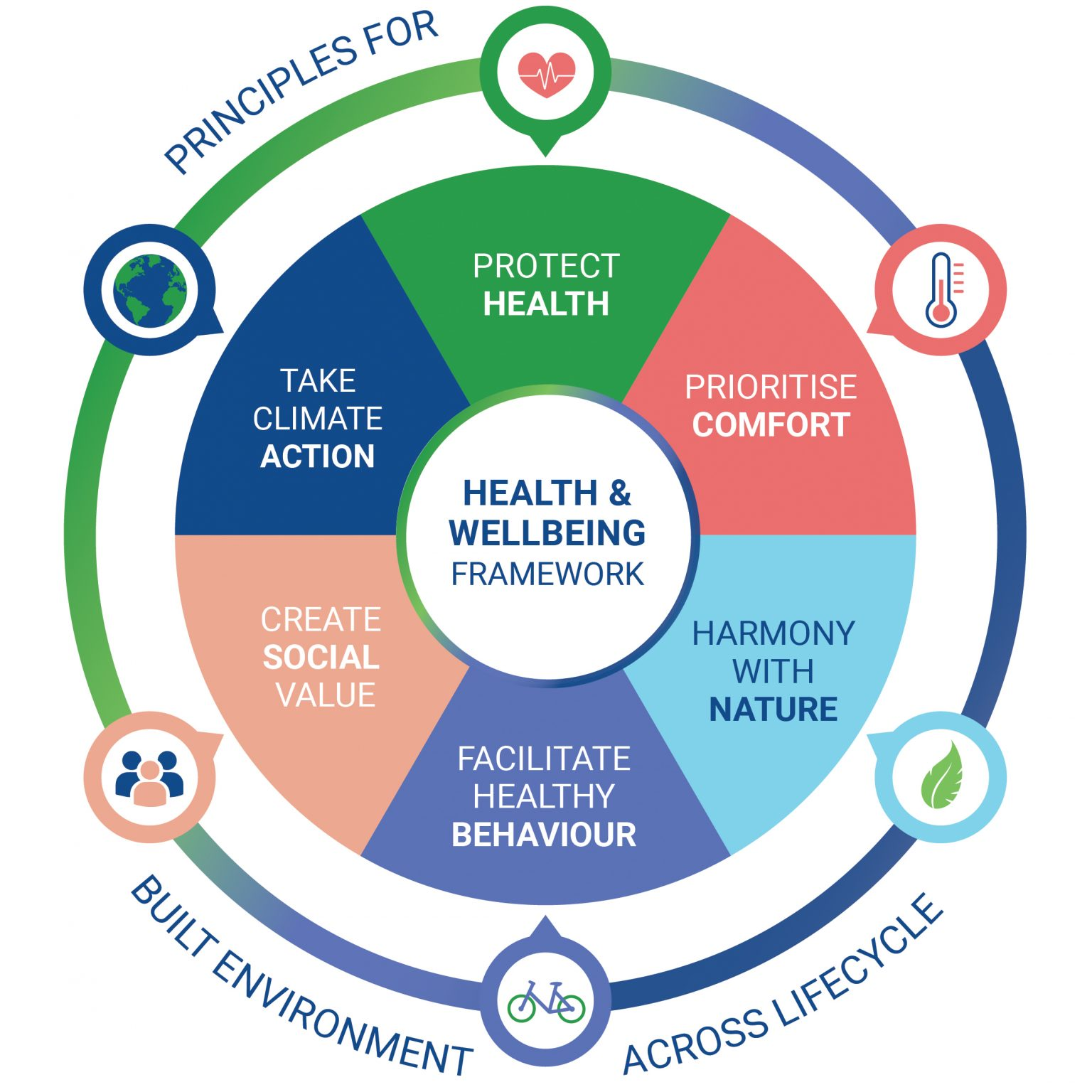
In today’s interconnected world, global well-being has emerged as a critical focus for researchers and policymakers alike.Numerous studies suggest that the overall health and happiness of populations are intricately linked to factors such as economic development and youth well-being.
Federal Grants for Health Research: Securing Essential Funding
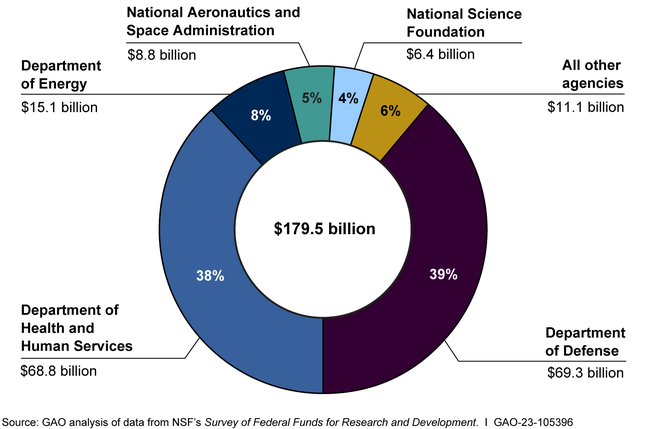
Federal grants for health research play a pivotal role in advancing our understanding of various health issues, making them a crucial lifeline for public health researchers.These grants enable scientists to tackle pressing challenges like cancer and nutrition, funding studies that ultimately contribute to improving health outcomes for society.
Global Health: Gawande Highlights USAID’s Devastating Impact
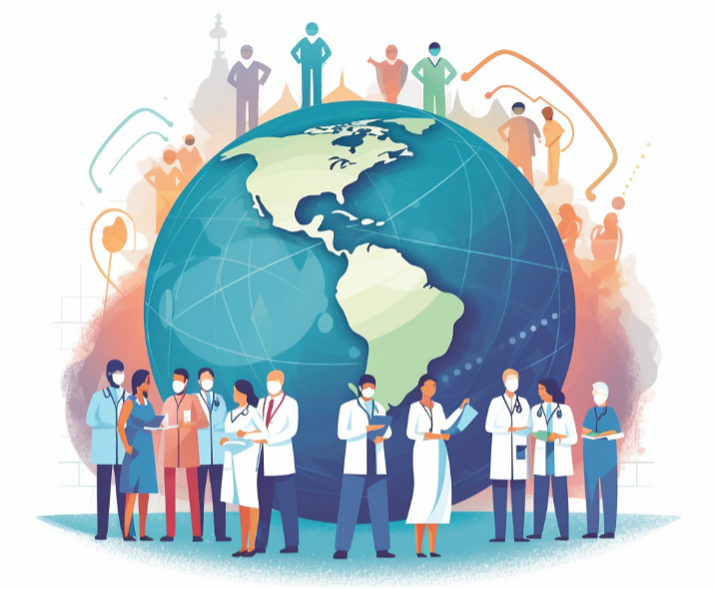
Global health has never been more crucial, serving as a vital metric for our collective well-being, both locally and globally.With the recent dismantling of key health programs, the echoes of Atul Gawande’s insights highlight the urgent need for rejuvenated global health leadership.
Pediatric Cancer Recurrence: AI Tool Improves Predictions
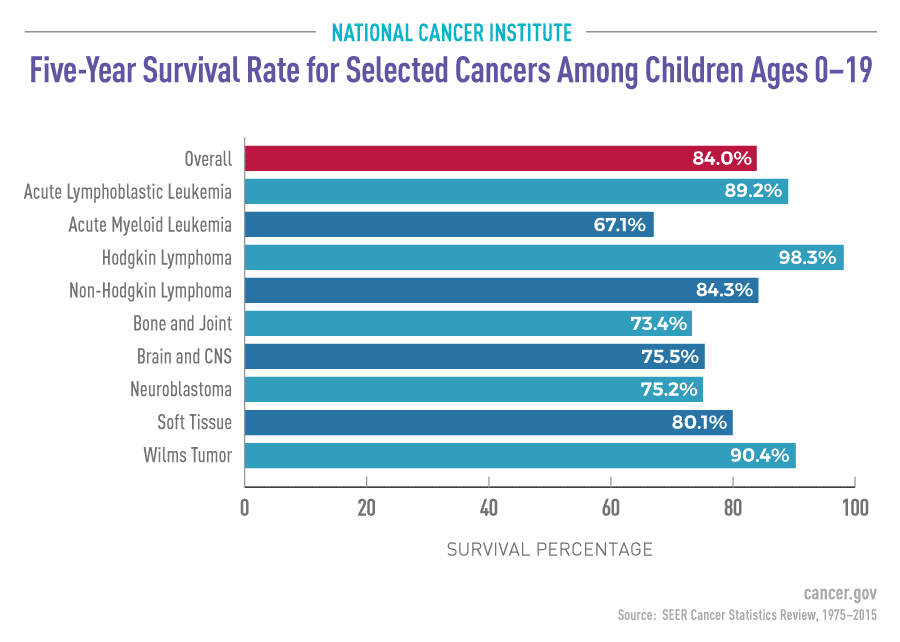
Pediatric cancer recurrence, particularly in the context of gliomas, poses a significant challenge in the field of pediatric oncology.Recent advancements, like an AI tool designed to improve glioma risk assessment, have demonstrated an ability to predict relapse risk with remarkable accuracy.
Pediatric Cancer Recurrence: AI Tool Revolutionizes Prediction
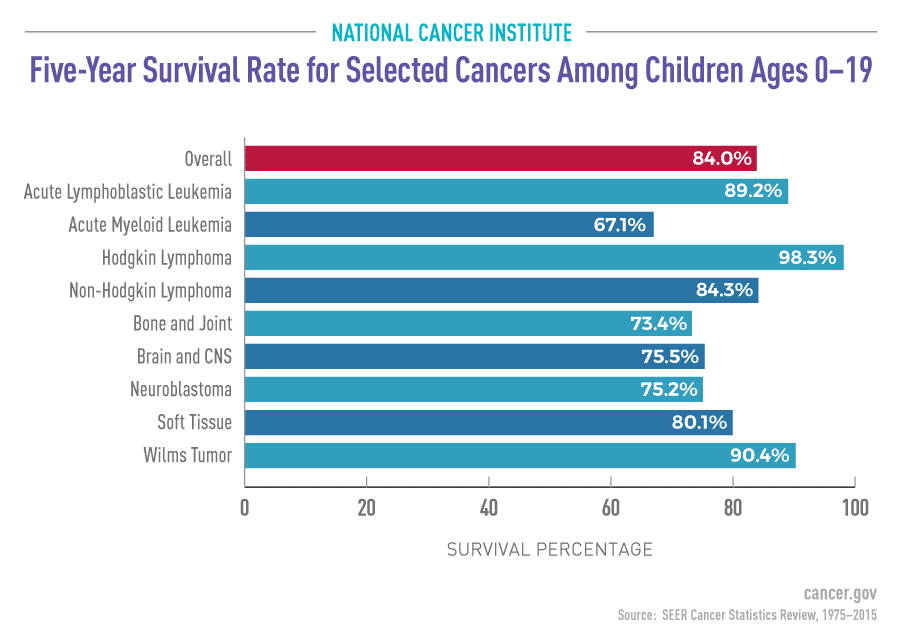
Pediatric cancer recurrence remains one of the most challenging aspects of treating childhood malignancies, particularly for conditions like gliomas, which are brain tumors that can vary significantly in their risk of relapse.Recent advancements in AI in medicine have provided new hope, as researchers have developed sophisticated AI tools that analyze brain scans over time to more accurately predict relapse risk than traditional methods.